.webp)

.webp)



Copyright © 2025 Managed Generator Services - All Rights Reserved.
Site by TargetMarket
Seasonal weather has always impacted generators, but heading into 2026, the swings are getting more extreme.
We’re seeing faster shifts between warm and freezing conditions, heavier storms, and longer periods of humidity followed by sudden cold snaps. For standby generators, that kind of inconsistency creates stress behind the scenes.
What makes it tricky is that most of these issues don’t look serious at first. They build quietly over time and usually show up when the system is under pressure.
Based on what our technicians are seeing in the field, there are a few patterns every homeowner should be aware of.
Airflow is one of the most important parts of generator performance, and one of the easiest to ignore.
As temperatures shift, your generator pulls in more than just air. Moisture, dust, pollen, and debris all move through the system, and over time they start to build up. That buildup restricts airflow, which forces the engine to work harder than it should.
You may not notice it right away, but the signs usually show up gradually. The generator might sound strained, take longer to start, or run less efficiently than normal.
When airflow is restricted, it can lead to overheating, reduced performance, and unnecessary wear on the engine.
A quick visual check around the unit, especially after storms or seasonal changes, can prevent most of these issues before they escalate.
Even in 2026, the number one cause of generator failure hasn’t changed. It’s still the battery.
Temperature swings put a lot of stress on batteries. Cold weather reduces their ability to hold a charge, while heat accelerates internal wear. Over time, that combination weakens performance, even if the battery seems fine during normal checks.
This is why generators that ran perfectly a few weeks ago suddenly fail to start during an outage.
In many cases, there were early signs. Slower starts, low voltage warnings, or missed exercise cycles. But those signals are easy to overlook if you’re not actively watching for them.
Staying ahead of battery replacement and paying attention to system alerts is one of the simplest ways to avoid a no-start situation.
With more intense storms and seasonal debris, we’re seeing more airflow blockages than in previous years.
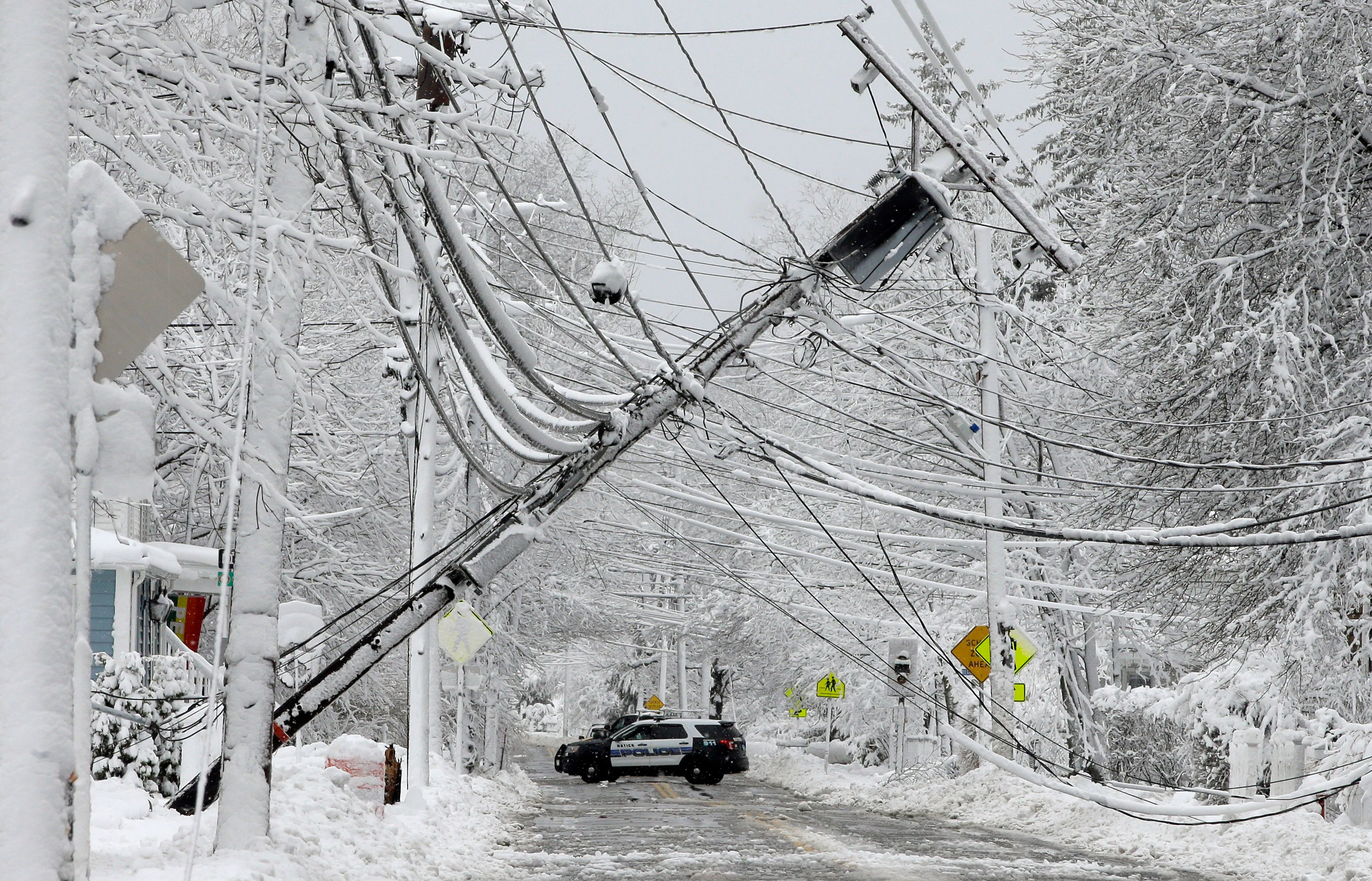
Leaves, snow buildup, mulch, and even small nesting activity can restrict intake vents without being immediately obvious. In colder conditions, snow and ice can build up quickly and limit ventilation when the generator needs it most.
When that airflow is blocked, the system can overheat or shut down entirely.
This is one of those problems that feels minor but has a direct impact on performance and safety.
Keeping clear space around the generator and doing a quick walk-around inspection every so often can go a long way in preventing it.
The frustrating part about generator problems is that they rarely show up at convenient times.
Most of these issues sit in the background until the generator is suddenly asked to perform. That’s when weak batteries, restricted airflow, or unnoticed wear become real problems.
By the time you notice something is wrong, the system is already under load.
That’s why preventative awareness matters more now than it did a few years ago. With more unpredictable weather patterns, there’s less room for small issues to go unnoticed.
The biggest shift we’re seeing isn’t just in the equipment. It’s in how homeowners are managing their generators.
More people are taking a proactive approach instead of waiting for something to fail. That usually means staying consistent with maintenance, paying closer attention to system behavior, and using tools that provide more visibility.
Remote monitoring has become a major part of that shift.
Instead of guessing whether everything is working, homeowners can see system status in real time and catch issues early. That’s especially useful during extreme weather, when small problems can escalate quickly.
None of these issues are complicated on their own.
Dirty airflow, weak batteries, and blocked vents are all simple problems to fix when caught early. But when they’re ignored, they can lead to startup failures, shutdowns during operation, and more expensive repairs.
A few minutes of attention here and there can prevent a lot of frustration later.
With how unpredictable weather has become, it’s not enough to assume your generator is ready.
If it hasn’t been checked recently or you’ve noticed anything unusual, it’s worth taking care of it before the next major temperature swing or storm.
.png)

.svg)
.svg)
.svg)