.webp)

.webp)



Copyright © 2025 Managed Generator Services - All Rights Reserved.
Site by TargetMarket
Generators are built for one purpose, to perform when everything else fails. But the reality is, many systems aren’t actually ready when that moment comes.
Whether you’re protecting a home or running a business, regular generator testing is what ensures your system starts, carries the load, and runs reliably under real conditions. Without it, small issues can sit unnoticed until they cause a failure at the worst possible time.
Generators don’t break all at once. They slowly drift out of readiness.
Fuel can degrade, especially in diesel systems where contamination or moisture can build up. Batteries lose charge capacity over time. Internal components that aren’t exercised regularly can stick, wear unevenly, or fail to respond when needed.
That’s why testing matters. It doesn’t just confirm the generator turns on, it verifies that the entire system is functioning the way it should. From startup to load transfer, testing is what gives you confidence your system will actually perform.
A common misconception is that starting the generator occasionally is enough. In reality, proper testing goes further than that.
A true test should simulate real operating conditions. That means confirming the system can handle load, verifying transfer switch operation, and ensuring voltage and frequency stay stable while running.
Without this kind of testing, a generator might start successfully but still fail when it’s actually needed to power your home or business.
For businesses, generator testing is tied directly to risk.
Even a short outage can disrupt operations, damage equipment, or create safety concerns depending on the industry. Facilities like healthcare centers, data centers, and manufacturing operations rely on consistent power, and their generators need to perform under pressure, not just in theory.
Because of that, commercial systems are typically tested at least once a year under load, and often more frequently depending on how critical the operation is. In higher-risk environments, monthly testing ensures issues are caught early and systems remain fully operational.
Testing isn’t just maintenance, it’s part of business continuity.
For homeowners, the risks look different but the need is the same.
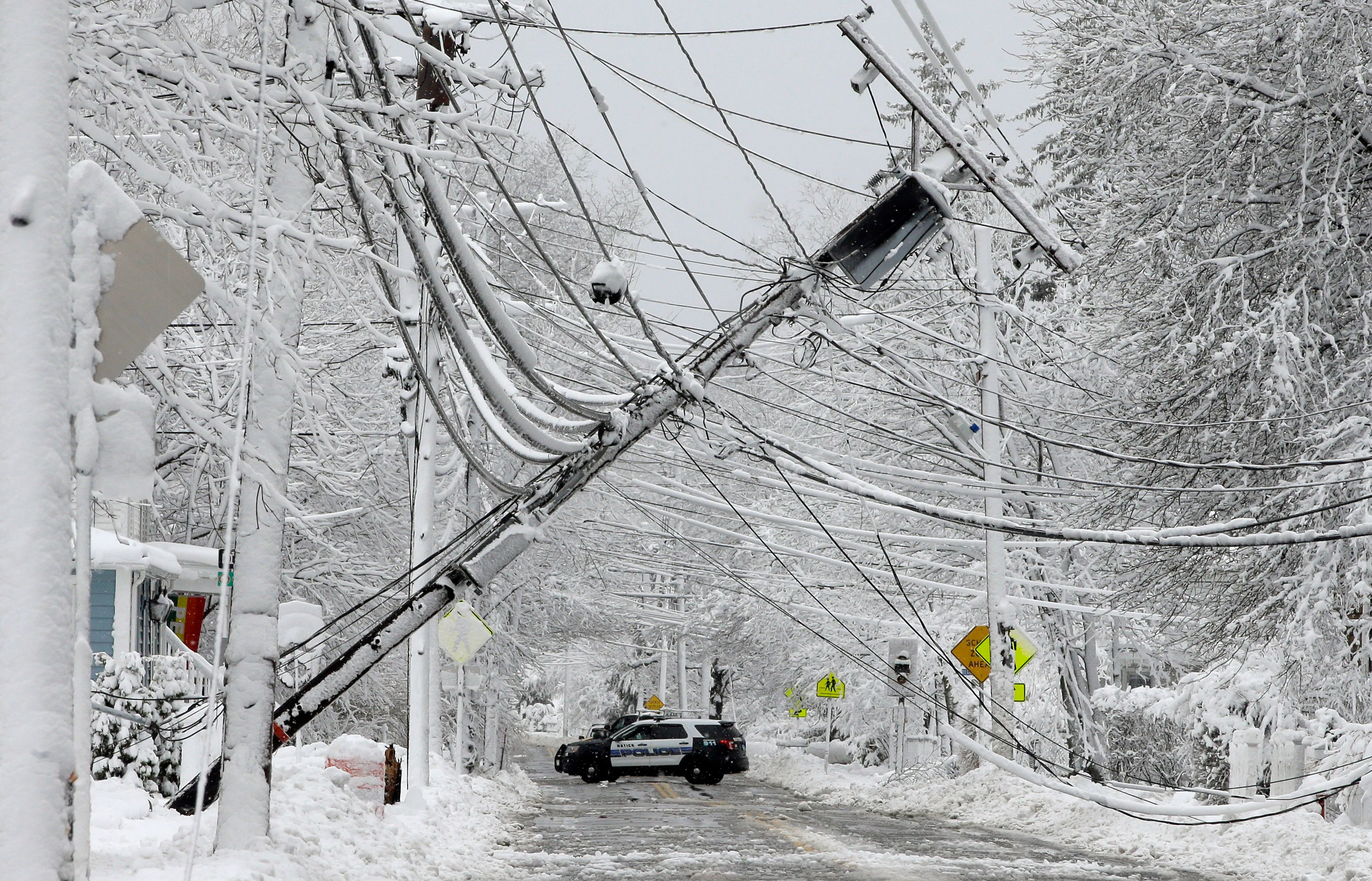
Storms, grid instability, and seasonal weather patterns can all lead to unexpected outages. A generator that hasn’t been tested in months, or even years, may not start when you need it most.
Annual testing is typically recommended for residential systems, especially before high-risk seasons. It ensures your generator is ready to handle real conditions, not just sit idle waiting for an emergency.
Most generator failures come down to preventable issues.
A weak or aging battery is one of the most common causes of no-start failures. Fuel issues can prevent proper combustion. Sensors or electrical components may fail quietly over time. Even something as simple as a missed exercise cycle can impact performance.
The problem is, none of these issues are obvious until the system is needed.
And at that point, it’s too late to fix them.
One of the biggest challenges isn’t understanding the importance of testing, it’s staying consistent with it.
That’s where structured maintenance comes in. With a scheduled service plan, testing becomes part of a routine instead of something that gets overlooked. Systems are checked regularly, performance is verified, and developing issues are caught early.
It also removes the guesswork. You’re not relying on memory or reacting to problems, you’re staying ahead of them.
Testing gives you periodic confidence. Monitoring gives you continuous visibility.
Remote monitoring adds another layer by tracking generator status in real time, alerting you to issues as they happen instead of waiting for the next scheduled test. Combined with routine testing, it creates a much more reliable system overall.
Instead of hoping everything is working, you actually know.
A generator is one of the most important systems you own, but only if it works when it’s supposed to.
Regular testing ensures your system starts, runs, and performs under real conditions, whether you’re protecting your home or keeping a business operational.
Contact us today to schedule generator testing or set up a maintenance plan so your system is ready before the next outage.


.svg)
.svg)
.svg)