.webp)

.webp)



Copyright © 2025 Managed Generator Services - All Rights Reserved.
Site by TargetMarket
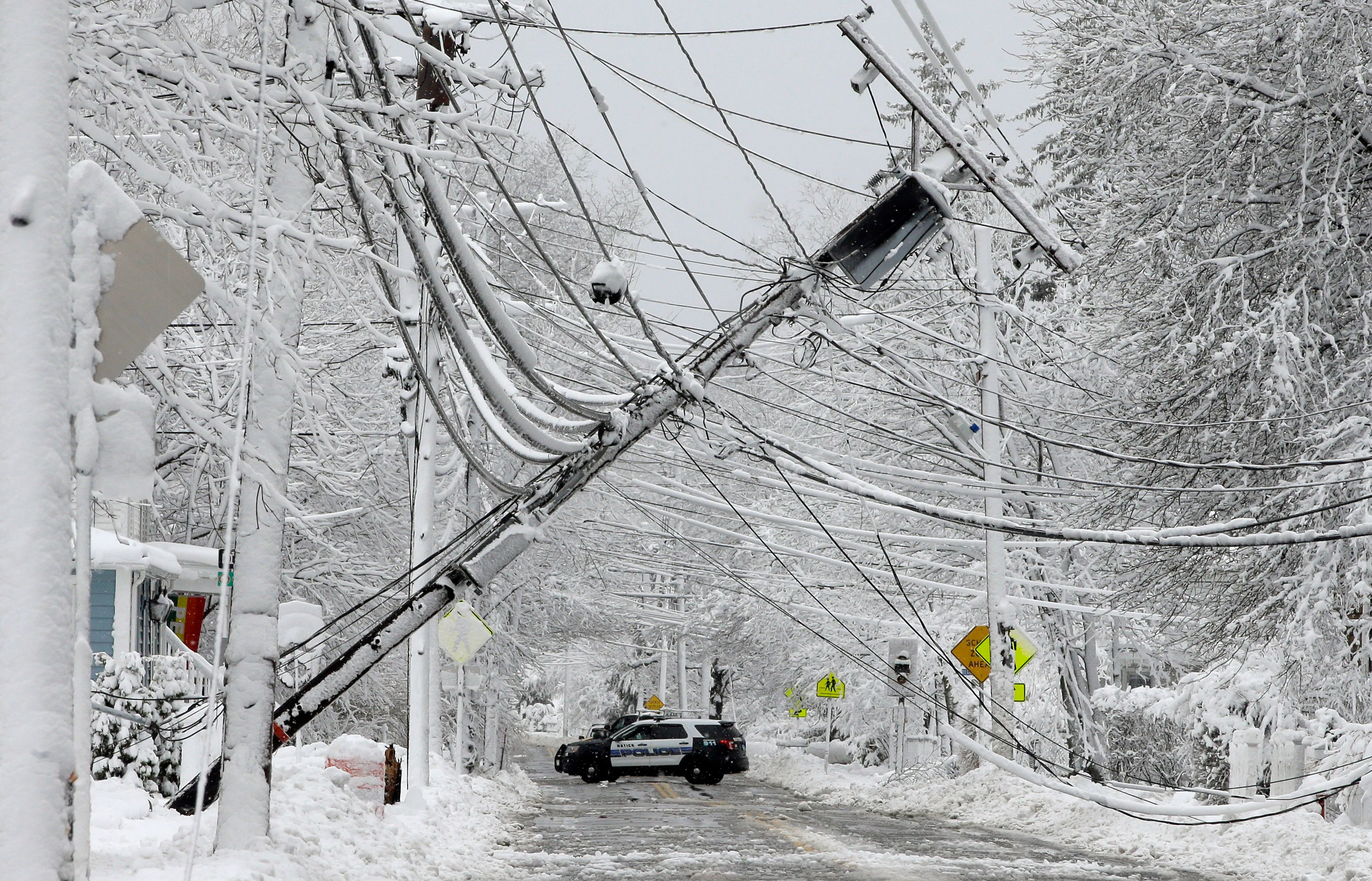
As weather patterns continue to shift going into 2026, your standby generator has to be ready for more than just the occasional outage.
Most homeowners prepare their homes for seasonal changes, but the generator is usually an afterthought. The reality is, generators don’t fail all at once. Small issues build up while the system sits idle, then show up the moment it’s needed.
A quick seasonal check helps you catch those problems early.
Generators spend most of their time not running, which is exactly when problems develop.
Batteries weaken, airflow gets restricted, and small issues go unnoticed. Then a storm hits, the system turns on, and everything shows up at once.
With more unpredictable weather heading into 2026, those small issues have less room to go unnoticed.
You don’t need tools or technical experience to do this. Most of what matters can be caught in a few minutes just by walking around your system and paying attention to a few key areas.
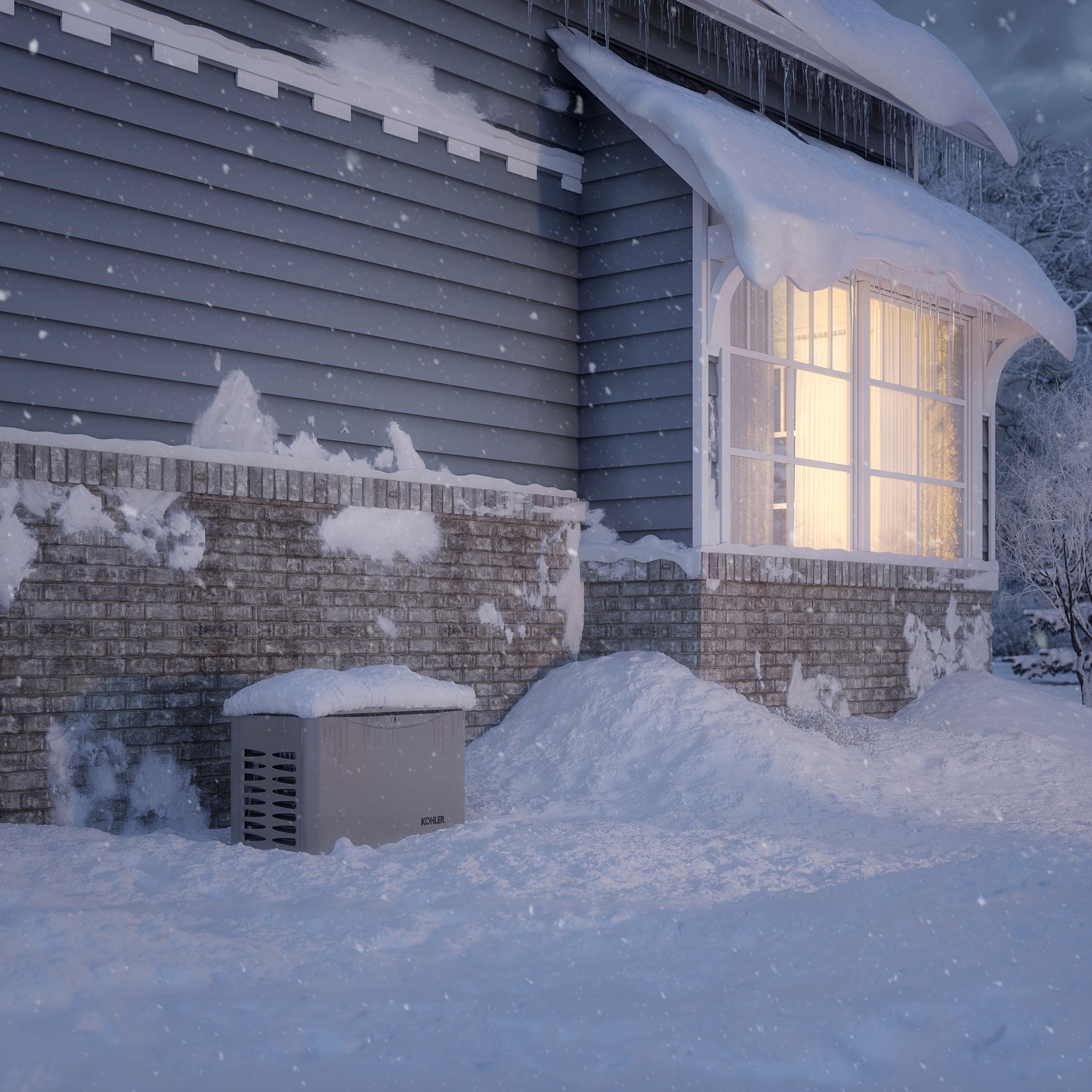
Start with the space around your generator. Airflow is critical for performance, and even small obstructions can cause the system to overheat or run inefficiently. Check for things like leaves, snow, grass buildup, or anything stored too close to the unit. Seasonal changes and storms can quickly create blockages without you noticing.
Next, take a look at the generator itself. You’re not opening anything up, just checking for anything that seems off. Signs like loose wiring, corrosion, moisture buildup, or evidence of animals can all point to problems developing. If something doesn’t look normal, it’s worth paying attention to.
Your generator should be running a weekly self-test, often called an exercise cycle. This keeps the system ready and helps identify issues early. If the test hasn’t run, or if the system shows warnings or alerts, that’s a sign something may need attention before an outage occurs.
Battery issues are still the most common reason generators fail to start. Temperature swings can shorten battery life, even if everything seems fine on the surface. If your generator is slow to start, or if the battery is a few years old, it may be time to replace it before it becomes a problem.
Take a moment to check the control panel. Your generator will often tell you when something isn’t right, but those alerts can be easy to ignore. Even minor warnings can point to issues that should be addressed before the system is under load.
Finally, make sure your fuel source is reliable. For natural gas systems, that means checking that lines are clear and connections are intact. For propane systems, confirm levels are sufficient and nothing is obstructed. Fuel interruptions are a common cause of failure during extended outages.
Skipping a seasonal check doesn’t usually cause immediate problems, but it allows small issues to build up over time.
That’s when you start to see generators that won’t start, systems that shut down under load, or performance issues when power is needed most. And unfortunately, those problems tend to show up during storms, when service demand is highest.
Most of these situations are preventable with a few minutes of attention ahead of time.
More homeowners are starting to take a proactive approach instead of waiting for something to fail.
Remote monitoring has become a big part of that shift. Instead of guessing whether everything is working, homeowners can track system performance in real time and catch issues early.
It’s not required, but it does make it easier to stay ahead of problems, especially during extreme weather.
If you’re not completely confident in your system, or just want a professional to take a closer look, it’s better to handle it now instead of waiting for an outage.
Contact Managed Generator Services today to schedule a seasonal generator inspection or maintenance service and make sure your system is ready when it matters most.

.svg)
.svg)
.svg)